
Birchwood Grange
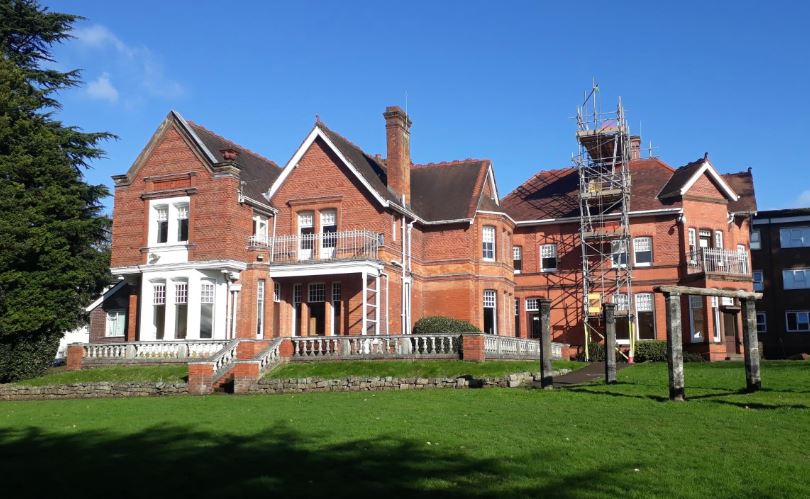
Former home of Sir William James Thomas. Now part of Cardiff University Cyncoed campus conference facilities.
Bronwydd
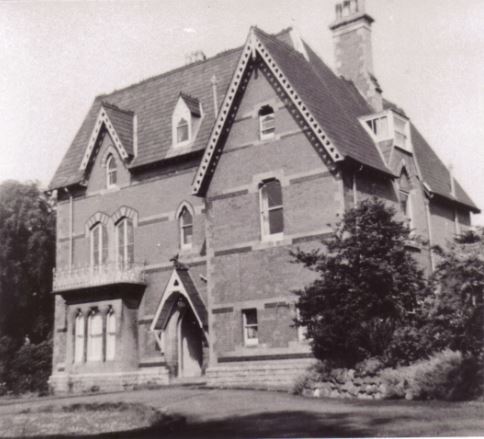
Bronwydd House in 1958 – (picture credit: Professor W. E. Waters, a previous owner of Bronwydd). One of the first villas to be built on Pen-y-lan hill. It was occupied in 1871 by Daniel Thomas, a successful public works engineer and contractor. It subsequently passed to his son Sir Alfred Thomas M.P (later Lord Pontypridd). It was demolished around 1970 to make way for the Easetern Avenue bypass. The Pen-y-lan wishing well was within its grounds (see our May 2020 newsletter).
Cardiff Royal Infirmary
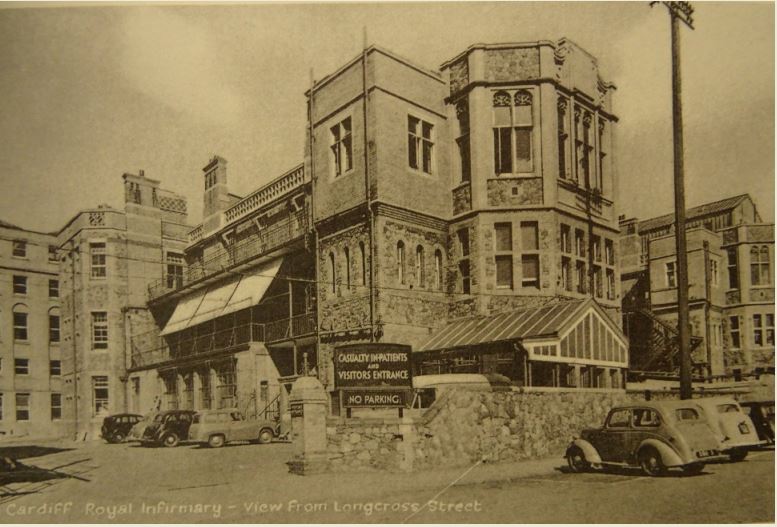
Cardiff Royal Infirmary is built on the site of the former Longcross Barracks. The barracks were demolished in 1880 and the Infirmary opened in 1883 at a cost of £23,000 and then called the Glamorgan and Monmouthshire Infirmary and Dispensary. It was renamed Cardiff Infirmary in 1895 and King Edward VII Hospital in 1911 and from 1923 Cardiff Royal Infirmary. More pictures on our Cardiff Royal Infirmary page.
Cyncoed Water Tower
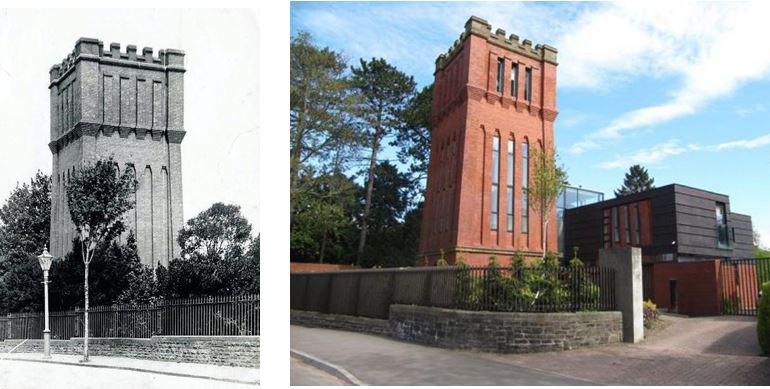
The red brick tower on Cyncoed Road is a Grade 2 listed building and was constructed in 1898. It’s original use was as a pumping station for the covered reservoir adjacent, now removed. It has since been converted into an upmarket dwelling. Views of the interior can be seen in in this Architect’s description and a later Wales Online article when the building went on the market in 2013.
Mansion House
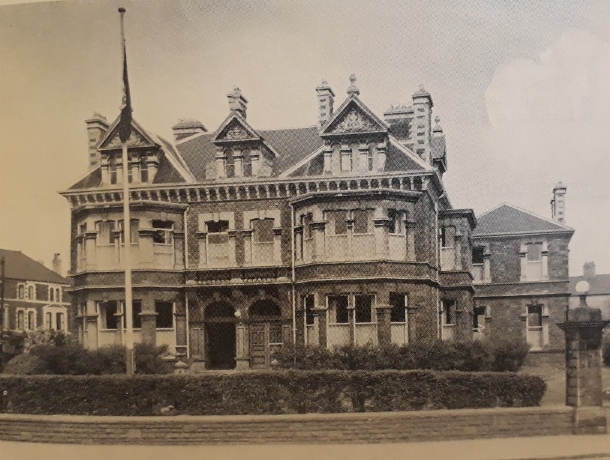
Mansion House on Richmond Road
The mansion house was originally the home to James Howell, founder of the famous department store in the centre of Cardiff. It was originally known as Grove House and was built in the mid 1890s. The house was purchased by Cardiff Corporation in 1912 and renamed the Mansion House. The Mansion House website gives some good views of the interior.
Roath Court
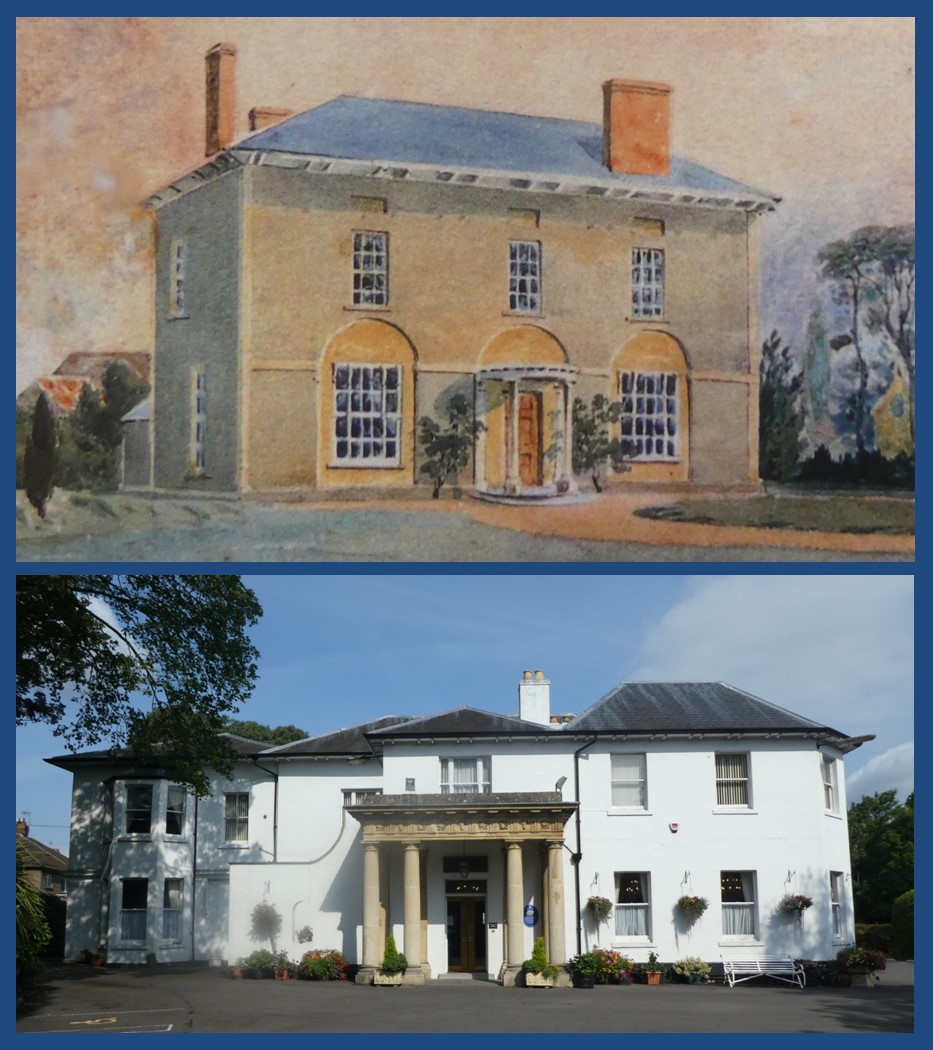
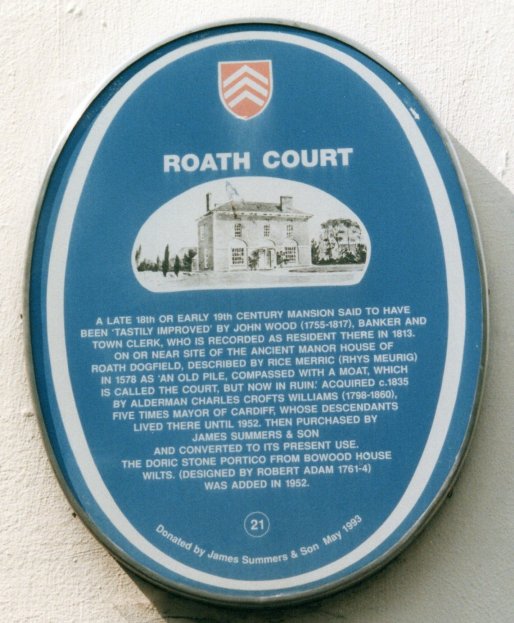
A late 18th or early 19th century mansion said to have been ‘tastefully improved’ by John Wood (1755-1817), banker and town clerk who is recorded as resident there in 1813.
Acquired c.1835 by Alderman Charles Crofts Williams (1798-1860), five times Lord Mayor of Cardiff, whose descendants lived there until 1952, then purchased by James Summers & Son and converted into a funeral home. The Doric stone entrance portico came from Bowood House in Wiltshire and was designed by Robert Adam around 1761 was added to Roath Court in 1952.
On or near this site of the ancient Manor House of Roath Dogfield, described by Rice Merrick (Rhys Meurig) in 1578 as ‘an old pile, compassed with a moat, which is called the Court, but now in ruin.’
A more detailed history of Roath Court is available in a Project Newsletter Vol 3 No 3.
 Roath Local History Society