I hadn’t previously come across the Gunn brothers, John and Marcus, which is somewhat surprising considering they appear to have been prominent in Cardiff life in the late 1800s.
They hailed from Halkirk, Caithness, in Scotland, just about as far north east as you can go on mainland Scotland without falling off the edge.
Both Gunn brothers lived in Roath at different times so fear not, there is a Roath connection.
John Gunn
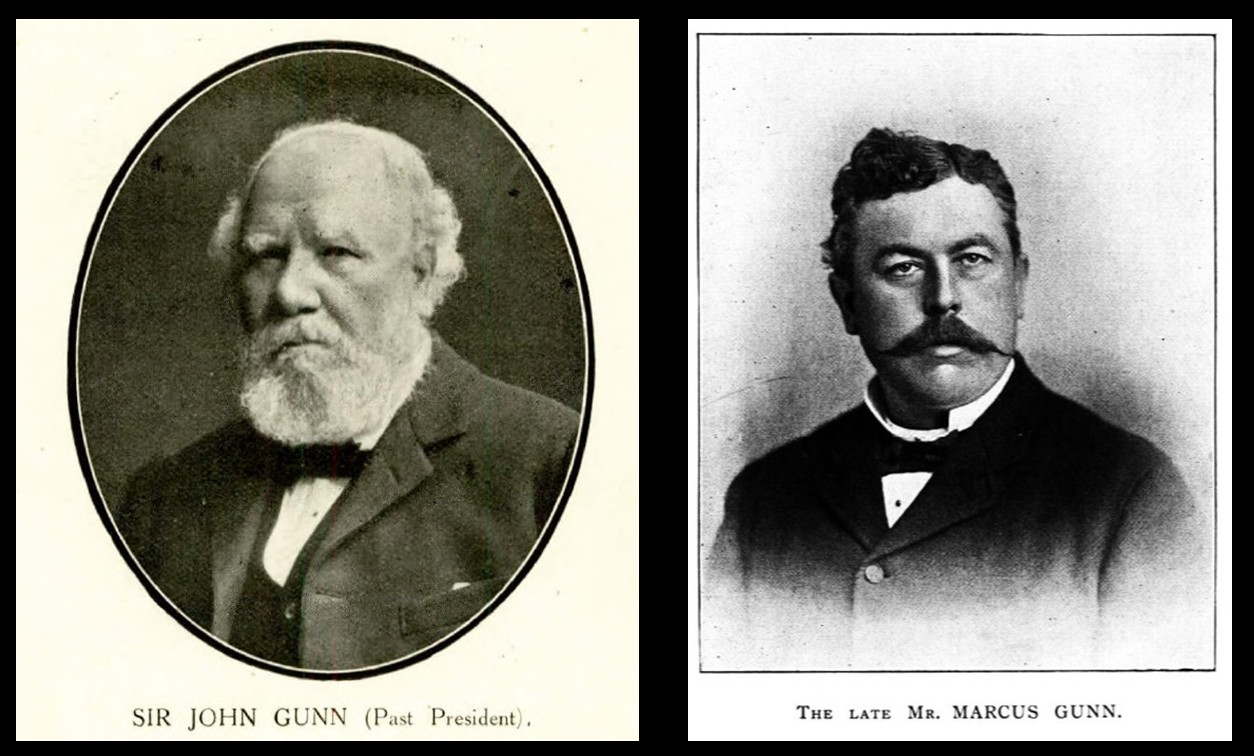
John Gunn, born 1837, was the first to come to Cardiff. His father, Donald, educated him with a view to him entering the legal profession but John was determined to seek his fortune in commercial pursuits and left home at 17. He appears in the 1871 census living with his sister Helen in Charles Street, Cardiff and working as a travelling draper.
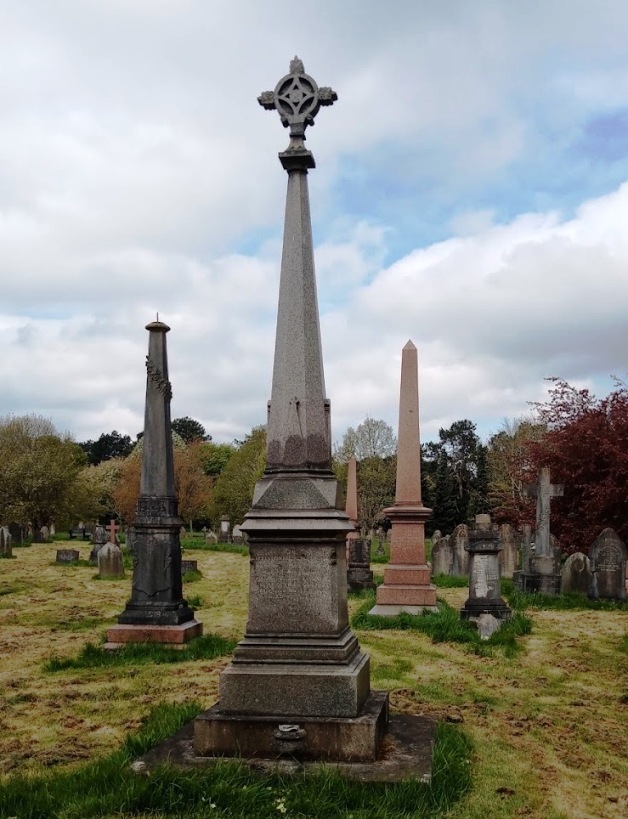
Later that year he married Sarah Jane Hill, daughter of Thomas Hill, who ran a glazing and plumbing business. In 1872 they had a son together, John Donald Gunn, when living at Dyffryn Villa, Roath Road (later renamed Newport Road). Poor John tragically died in infancy, an all too common occurrence at the time. They had two more sons together before Sarah Jane herself died at the young age of 27. She, together with her infant child and her mother, are buried together in Cathays Cemetery. Their grave has a grand and distinctive granite headstone topped with an octagonal obelisk and a cross. It is also unusual in that the inscription uses her maiden name (the first instance, though somewhat contrived, of me not being able to ‘find my Gunn’):
In Affectionate Remembrance of
Sarah Jane Hill
Wife of John Gunn, Shipbuilder Cardiff.
Who died January 9th 1875, aged 27 years.
And
John Donald, their son
Who died August 9th 1872, aged 11 weeks
Even the inscription for the mother uses Hill as a surname even though she had remarried James Walker when previously widowed. It makes me think that the Hill family had paid for the headstone:
In Affectionate Remembrance of
Sarah Ann Hill
Wife of James Walker
Duffryn Villa, Cardiff
Who died Nov 19th 1875, aged 60 years
John Gunn remarried on 30 Aug 1877 to Harriette Boyle from Antrim, Ireland. They married at Hollywood, County Down which explains why their house in Newport Road at the time of the 1881 census was called Hollywood House. The census also records that things had moved on apace for John Gunn. No longer is he a travelling draper but he is now a ship builder and engineer employing 306 people.
Harriett Gunn has seven children with John Gunn, six girls and a boy. In the 1891 and 1901 census they are living at Llandaff House, which is on the corner of Cardiff Road and Fairwater Road.
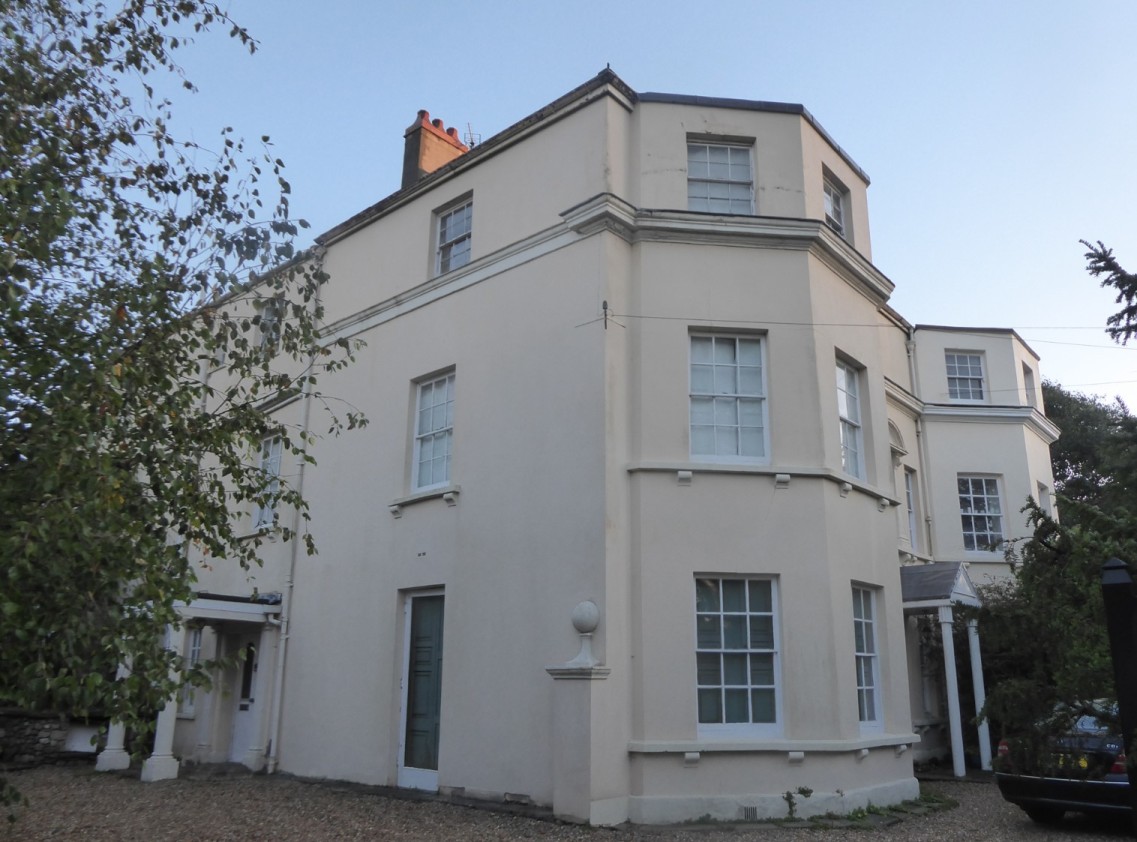
His business interests became very broad and spanned coal mining, transportation, shipping and insurance as we can see from the following list:-
- Shipbuilder and Shipowner.
- Owner of the Mount Stuart Dry Docks.
- Chair of John Bland, Timber Merchants.
- Director of Cardiff Railways Company (owner of the Bute Docks)
- Director of Cardiff Collieries Ltd
- Chair of Bristol and West of England Bank (which became amalgamated with Lloyds Bank.)
- Director of Weston-Super-Mare Grand Pier Ltd
- North British and Mercantile Insurance Ltd
- President of Cardiff Chamber of Commerce.
- Member of Cardiff Town Council.
John Gunn was also an active member of the Presbyterian Church. He was a founder member of the Presbyterian Church in Windsor Place (now City URC church) which cost £10,000 to build but which opened free of debt in 1866, largely it is thought to John Gunn’s financial contributions.
In 1898 he was knighted by Queen Victoria at Osborne Palace, Isle of Wight, after being transported from Portsmouth on board a specially chartered steamer.
The following year he was elected President of the Institute of Marine Engineers.
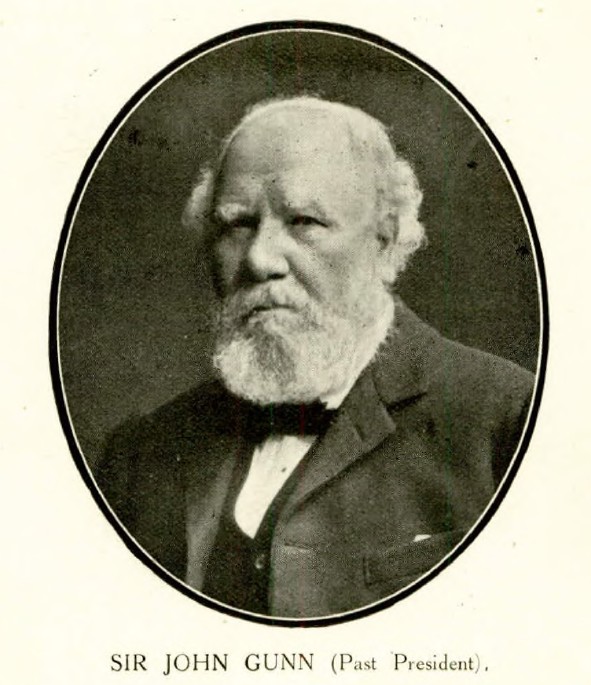
He stood for Parliament in the Unionist interest, campaigning against the idea of home-rule for Ireland but lost.
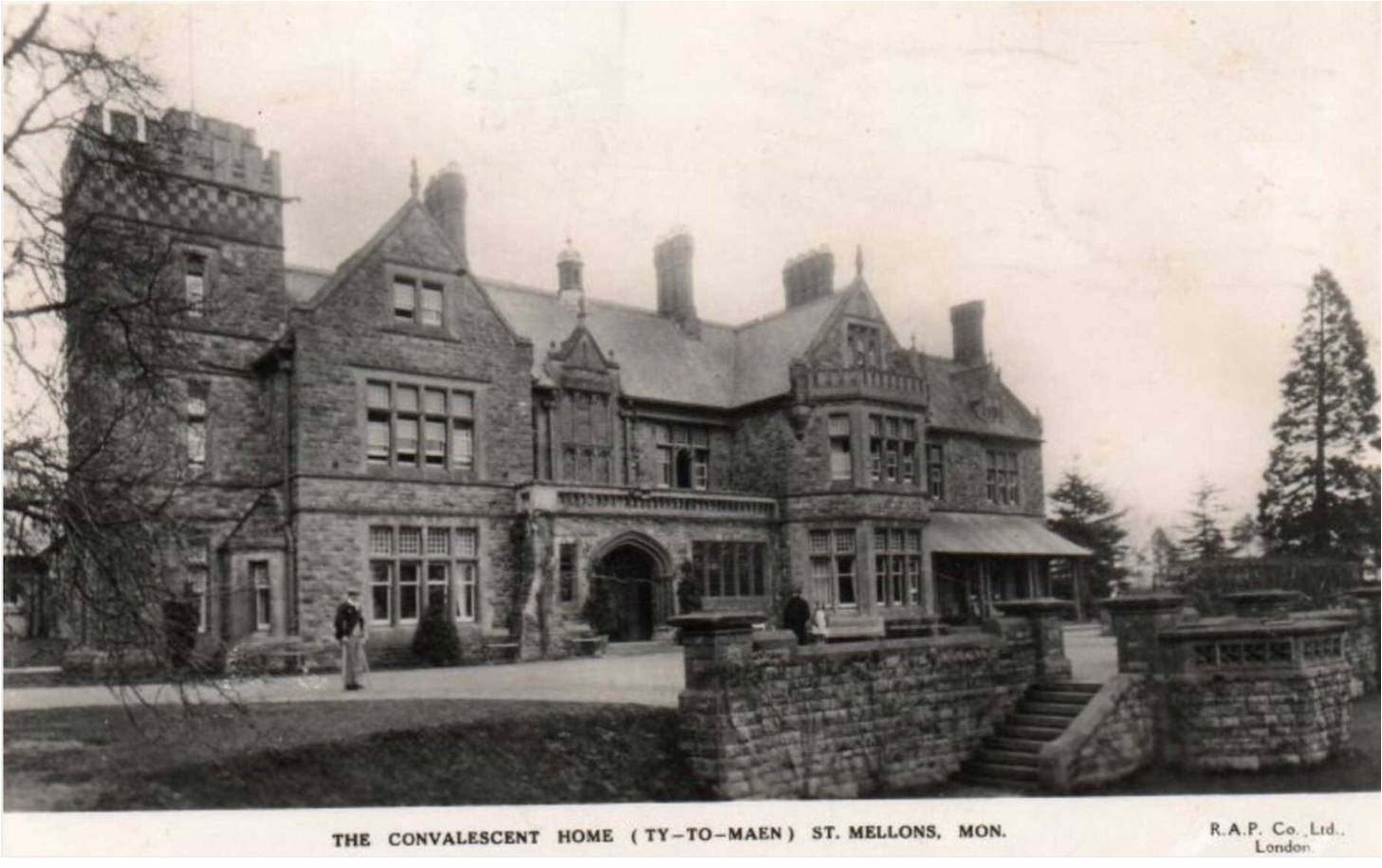
In 1902 he purchased Ty-To-Maen in St Mellons for £14,500 (£1.5 million today’s money) in an auction held at the Angel Hotel. It was advertised as having more than 30 rooms plus stables. The mansion had been built in 1885–9 by the Cardiff architect E. Bruce Vaughan for Richard Allen of Spillers flour mills. John Gunn lived there for 16 years until his death in 1918.
In 1903 the Gunn family entertained Right Honorable Joseph Chamberlain who was on his tour of South Wales drumming up support for his opposition to home rule. He arrived at Cardiff railway sation and drove off through barricaded streets lined with enthusiastic supporters to Ty-To-Maen, St Mellons.
I looked at the 1911 census for Ty-To-Maen in St Mellons expecting to find John and Henriette Gunn there but there were on holiday in The Empire Hotel, Bath at the time. The census does however record six of the Gunn children (aged 22-37) at home in Ty-To-Maen along with 11 servants.
Henriette died in 1914. The newspaper reports that the funeral took place in St Mellon’s Church and she was buried in a grave ‘close to the porch in the shadow of a clump of yew trees’. John died in January 1918.
So here’s my second instance of ‘Where’s my Gunn?’ I haven’t been able to find their headstone in two visits to the St Mellon’s church graveyard. I have however found a booklet of monumental inscriptions from St Mellon’s Church made in 1940-47 and the Gunn headstone is listed. So we know it was legible in the 1940s. If anyone spots it in the churchyard perhaps they could let me know please.


After the death of John Gunn, Ty-To-Maen was sold to Sir William Edgar Nicholls, the manager of Spillers, who gave the house and its estate to the Cardiff Royal Infirmary, when it became the William Nicholls Convalescent Home.
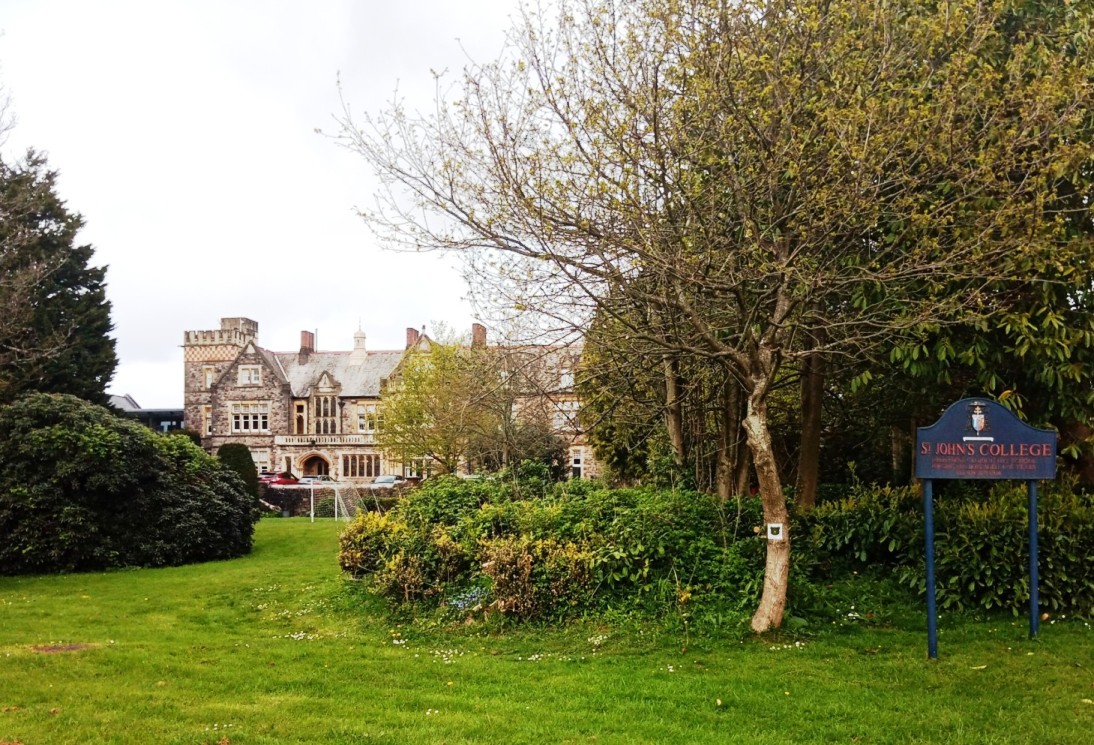
It is certainly good to see that the building has survived and today it is St John’s College, a Catholic independent school, sat neatly in the middle of new housing in Old St Mellons. Quite how that would have sat with the politics of Sir John Gunn I don’t know.
John Gunn had ten children in total, nine living into adulthood. Quite a number remained unmarried or had few children themselves. One of the daughters, Annie Gunn married Sir George Penny, 1st Viscount Marchwood. He must have had a good head for numbers as he was both treasurer of the Conservative party and treasurer of the royal household.
Marcus Gunn
Marcus was born in 1842, five years after his brother John, also in Halkirk, Caithness. Early on in life he had looked to the ministry as a possible career but ended up heading south to Cardiff, nine years after his brother.
He married Mary Elizabeth Yeandle, in Cheltenham in 1877 who went on to have seven children, five sons and two daughters. In 1881 they were living at 22 St Andrews Crescent. A few years later in 1887 they lived at Duffryn Villa, Halswell Terrace, Newport Road. In the 1890s the Gunn family lived at Preswylfa, Clive Road before moving again to the very grand 22 Cathedral Road, a house which they named St Albans.
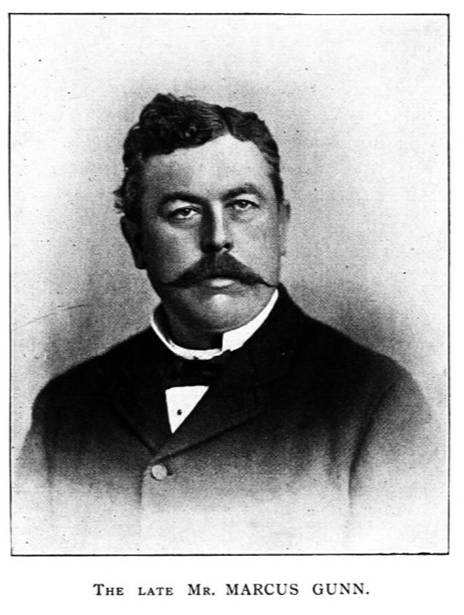
As well as being a co-director in the family shipbuilding firm with his brother he became most admired for his public work in particular to the Free Library. The Free library was the precursor to today’s Public Libraries. He was a very well-read individual and personally assisted in selecting books to go into the Free Library. Newspaper reports say that there had been times when the Free Library Committee could not do what it desired on account of the low state of funds and on many such occasions Marcus Gunn had come forward and given the money required.
He was also a member of the Windsor Place Presbyterian church but unlike his brother he took no active part in politics.
Marcus Gunn was a reserved man who expressed his thoughts in few words. And yet, gifted with a beautiful voice, and mind richly stored with a liberal education in early life, and wide reading, he was capable of great eloquence but very rarely exercised his gifts as a speaker.
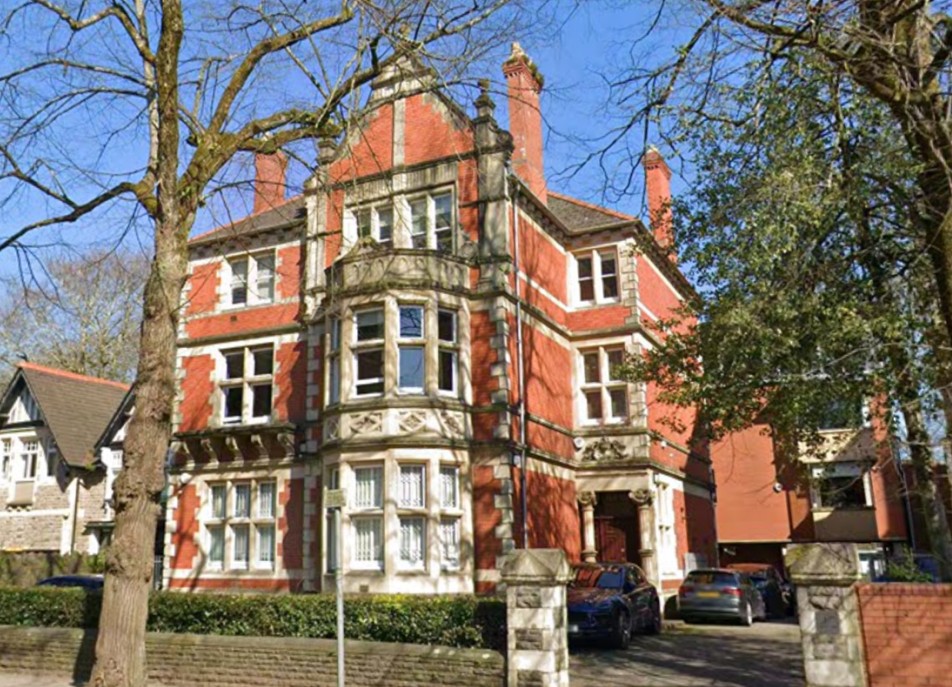
He died at age just 54 at his home in Cathedral Road in July 1899. He is buried at Cathays Cemetery. But here’s another case of ‘Where’s my Gunn?’. His wife’s name os on the grave and two of his sons are also remembered on it but not Marcus himself. The top of the headstone is missing so I’m guessing that part contained his name at one stage.
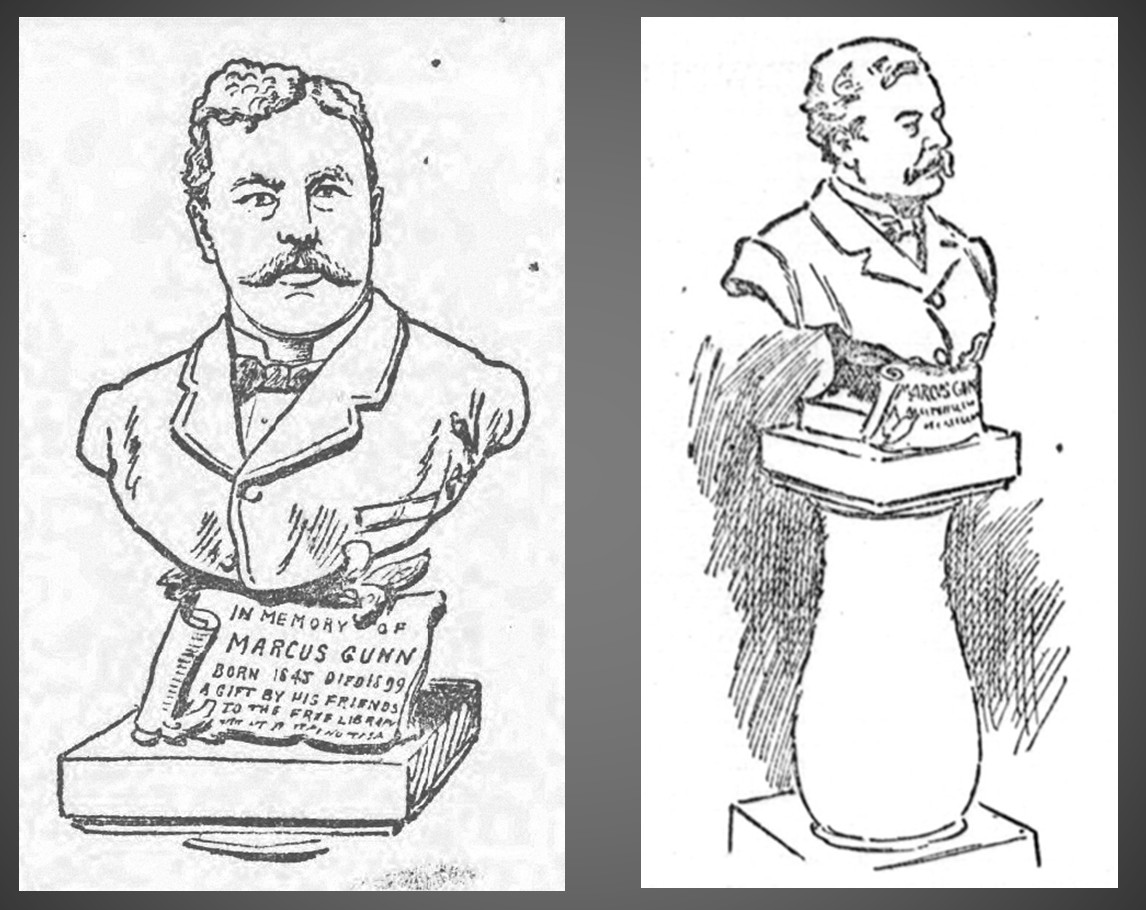
After he died his friends and colleagues on the Free Library Committee paid for a bronze bust of him to be made by the renowned sculptor Goscombe John. The bust of Marcus Gunn was unveiled at the Free Library and it sat of a plinth on the staircase, overlooking the main corridor. I imagine Goscombe John must have been pleased to see his work on display in the very building in which he had trained to become a sculptor.
That brings me on to my last and most mysterious case of ‘Where’s my Gunn?’ The last mention of the bronze bust I can find is the unveiling. There seems to be no mention of it in any itinerary of Goscombe John works. Has he been consigned to a storeroom somewhere or did the temptation of a lump of valuable bronze on a public staircase prove too much for someone one day?
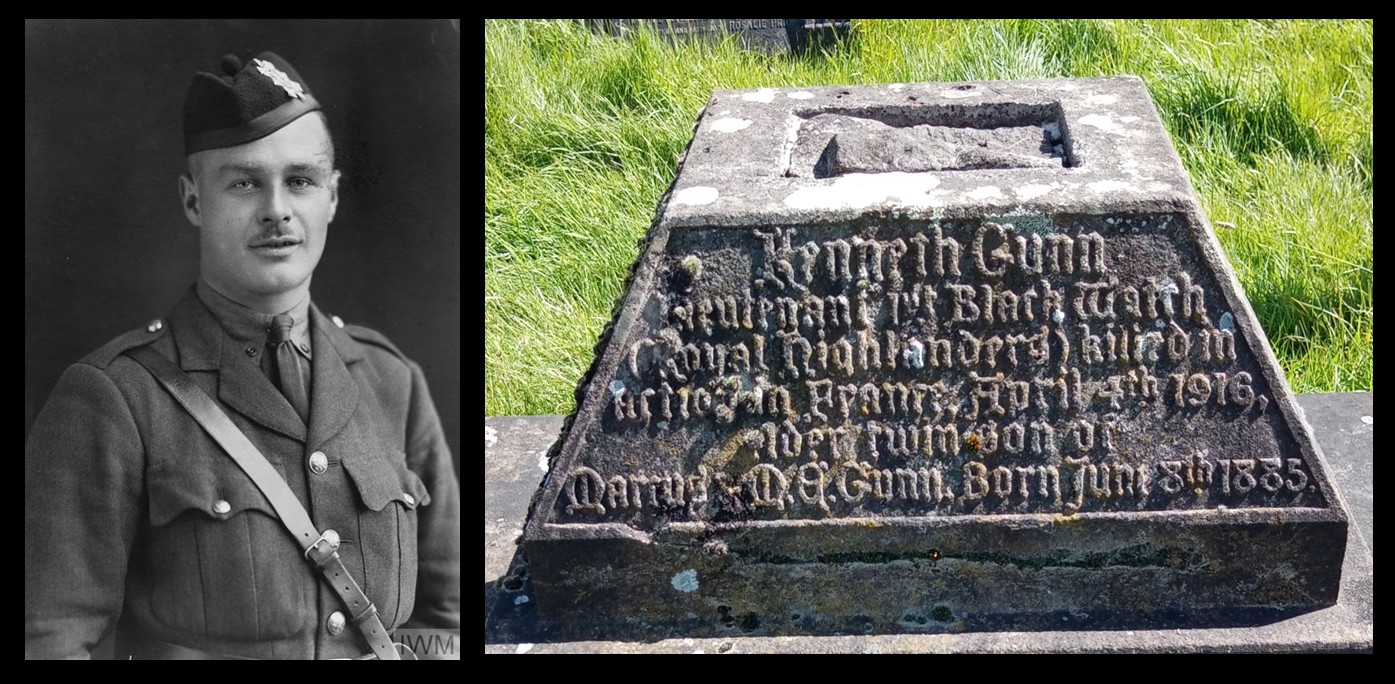
After the death of her husband, Mary Gunn moved to London with a number of her children. She died in 1913 and is also buried at Cathays Cemetery in the family grave along with son Ernest Gunn who died in 1916. Two of his younger siblings were killed the same year in WWI. Their entries on our Roath Virtual War Memorial appear below.
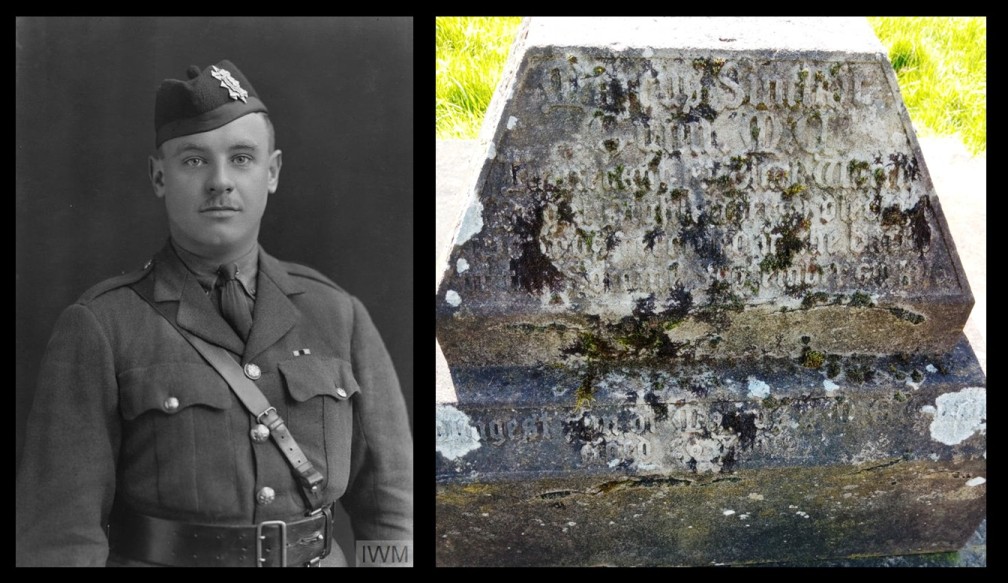
KENNETH GUNN
Lieutenant, 2nd Battalion (attached to 1st Battalion), Black Watch (Royal Highlanders).
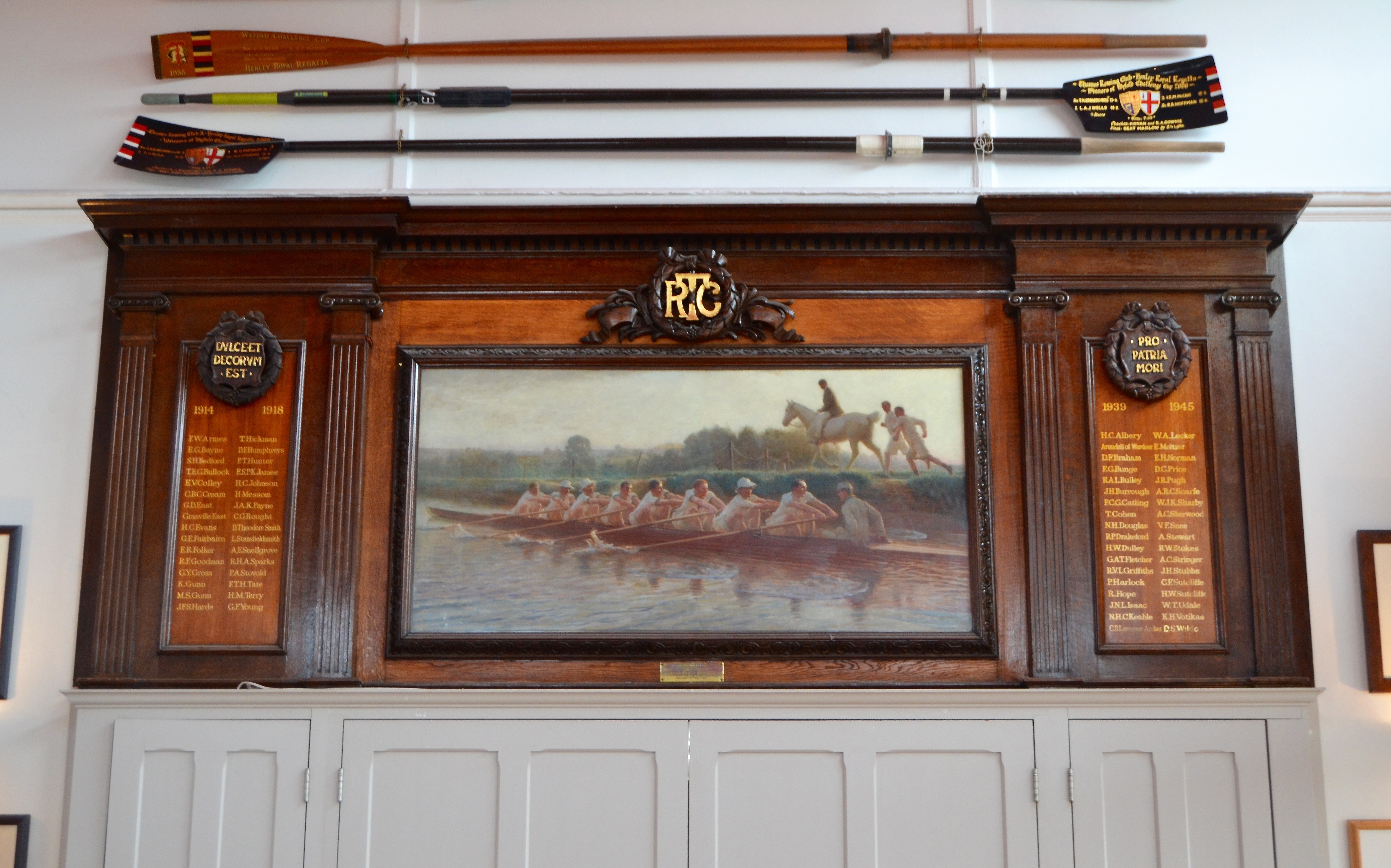
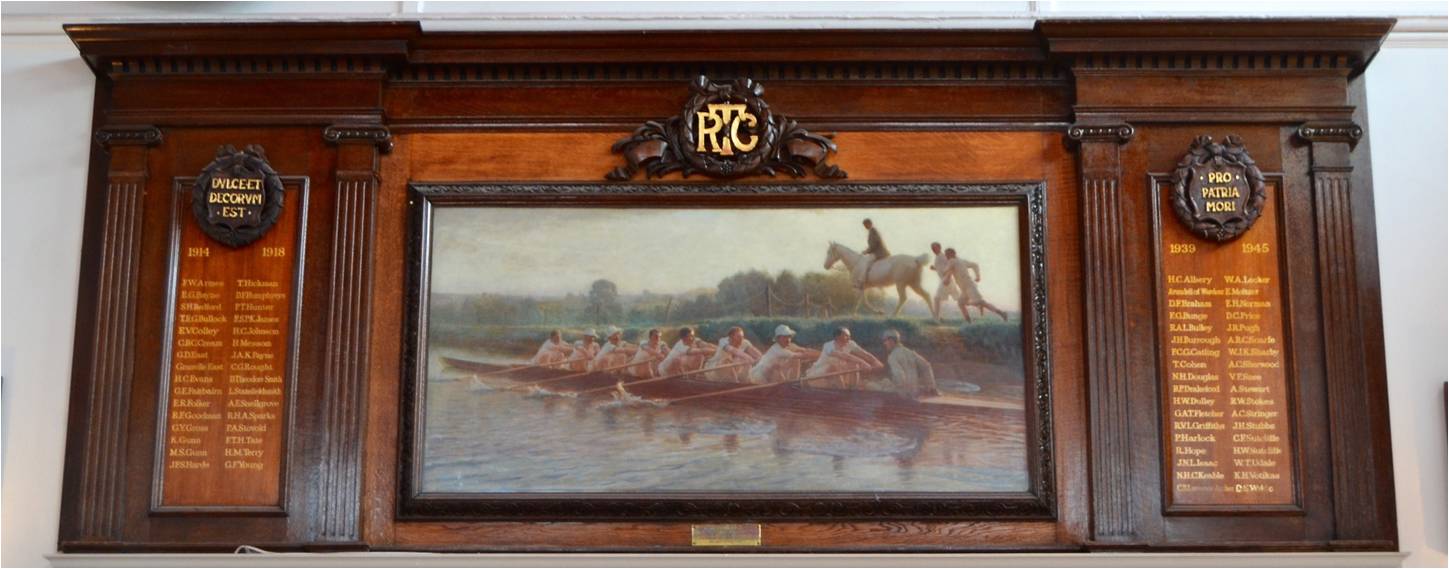
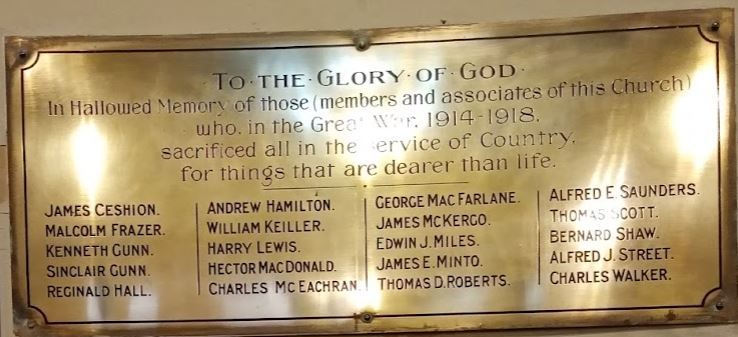
Kenneth Gunn was born in Cardiff on 8 Jun 1885 to Marcus Gunn, a shipowner and director of the Mount Stuart Dry Locks Ltd, originally from Halkirk, Caithness, Scotland and Mary Elizabeth Gunn nèe Yeandle, originally from Cheltenham, Gloucestershire. Kenneth attended Llandaff Cathedral School and later Repton Pubic School, Derbyshire. In the 1890s the Gunn family lived at Preswylfa, Clive Rd, Canton before moving to 22 Cathedral Road. Kenneth became a marine engineer and in 1911 was living at 25 North Gate, Marylebone, London with his widowed mother and siblings. In WWI he enlisted in the London Scottish Regiment before he and his brother, Marcus Sinclair Gunn, obtained commissions in the Black Watch. He was thrice wounded, once in Oct 1915 when in charge of a bombing party. Kenneth was killed in action on 4 Apr 1916 on the western front in France, aged 27. He is buried at Noeux-les-Mines Communal Cemetery (plot I.K.30). The address given in his probate was 16 Windsor Esplanade, Cardiff and his obituary states he worked for Messrs John Shearman & Co, Barry. He is remembered on his parents grave in Cathays Cemetery and the City URC WWI Memorial, Llandaff Cathedral School Memorial, Repton School Memorial, Thames Rowing Club Memorial at Putney. Commonwealth War Graves Commission record. His brother Marcus Sinclair Gunn also died in WWI.
MARCUS SINCLAIR GUNN
Lieutenant, 1st Battalion, Black Watch (Royal Highlanders).
Marcus Sinclair Gunn was born in Cardiff on 29 May 1890 to Marcus Gunn, a shipowner and director of the Mount Stuart Dry Locks Ltd, originally from Halkirk, Caithness, Scotland and Mary Elizabeth Gunn nèe Yeandle, originally from Cheltenham, Gloucestershire. In the 1890s the Gunn family lived at Preswylfa, Clive Rd, Canton before moving to 22 Cathedral Road. He was educated at Blundell’s School, Tiverton, Devon from Jan 1902 to Apr 1906 where he was a member of the Officer Training Corps. After leaving school Marcus worked as an insurance broker for C.T. Bowring (Insurance) Ltd, Lloyd’s brokers and lived at 26 North Gate, Regent’s Park in London with his widowed mother and brother. When in London he rowed for the Thames Rowing Club and boxed for the Belsize Boxing Club. On the 4 Aug 1914 he applied for a commission and expressed a preference for the South Staffordshire Regiment in his application. Unable to wait for a response, he re-enlisted at 59 Buckingham Gate on the 5 Aug 1914 as a Private for a four-year term of service in his old battalion the 1/14th Battalion London Regiment (London Scottish). At his medical examination it was recorded that Marcus was 5 ft 11¾” tall and that he weighed 13 stone 4 pounds. After five weeks of training at St Albans he embarked for France with his battalion from Southampton on the 15 Sep 1914, landing at Le Havre the following morning. They became the first Territorial Army unit to see action on the Western Front during the Great War. He was wounded twice and then awarded the Military Cross for conspicuous gallantry near Hulluch from 25 to 27 Sep 1915 when he brought his machine-guns into action on two occasions under very heavy rifle and shell fire, in order to support attacks. He also rescued many wounded men, who were lying under fire between the lines. He was injured again at the Battle of the Somme on 2 Sep 1916 amd died of his wounds four days later on 6 Sep 1916, aged 26. Marcus is buried at Heilly Station Cemetery (Plot III, Row E, Grave 22). He is remembered on his parents grave in Cathays Cemetery and the City URC WWI Memorial, Blundell’s School War Memorial, Thames Rowing Club Memorial at Putney and the Lloyds of London War Memorial. Commonwealth War Graves Commission record. His brother Kenneth also died in WWI.
Stop Press – Missing Sir William Goscombe John bust of Marcus Gunn found
I had made enquiries regarding the missing Goscombe John bust of Marcus Gunn in places such as the Cardiff Story Museum, National Museum of Wales, St Fagans Museum, the City Hall and all had come back negative. Then somebody mentioned that the Cardiff Libraries archives contain more than just books. A few more enquiries and bingo! There it was in the library archives. I haven’t seen it in person as yet but have kindly been sent a photograph and it is indeed Marcus Gunn. One day we may be able to put him upright again!

 Roath Local History Society